
Al-Baqara - The Cow
Arabic Name: الْبَقَرَة
Urdu Name: گائے
Type: Madani
Serial Number: 2
Revelation Order: 87
Total Verses: 286
Parah: 1,2,3
Rukus: 40
Sajda: None
Share Verse Art
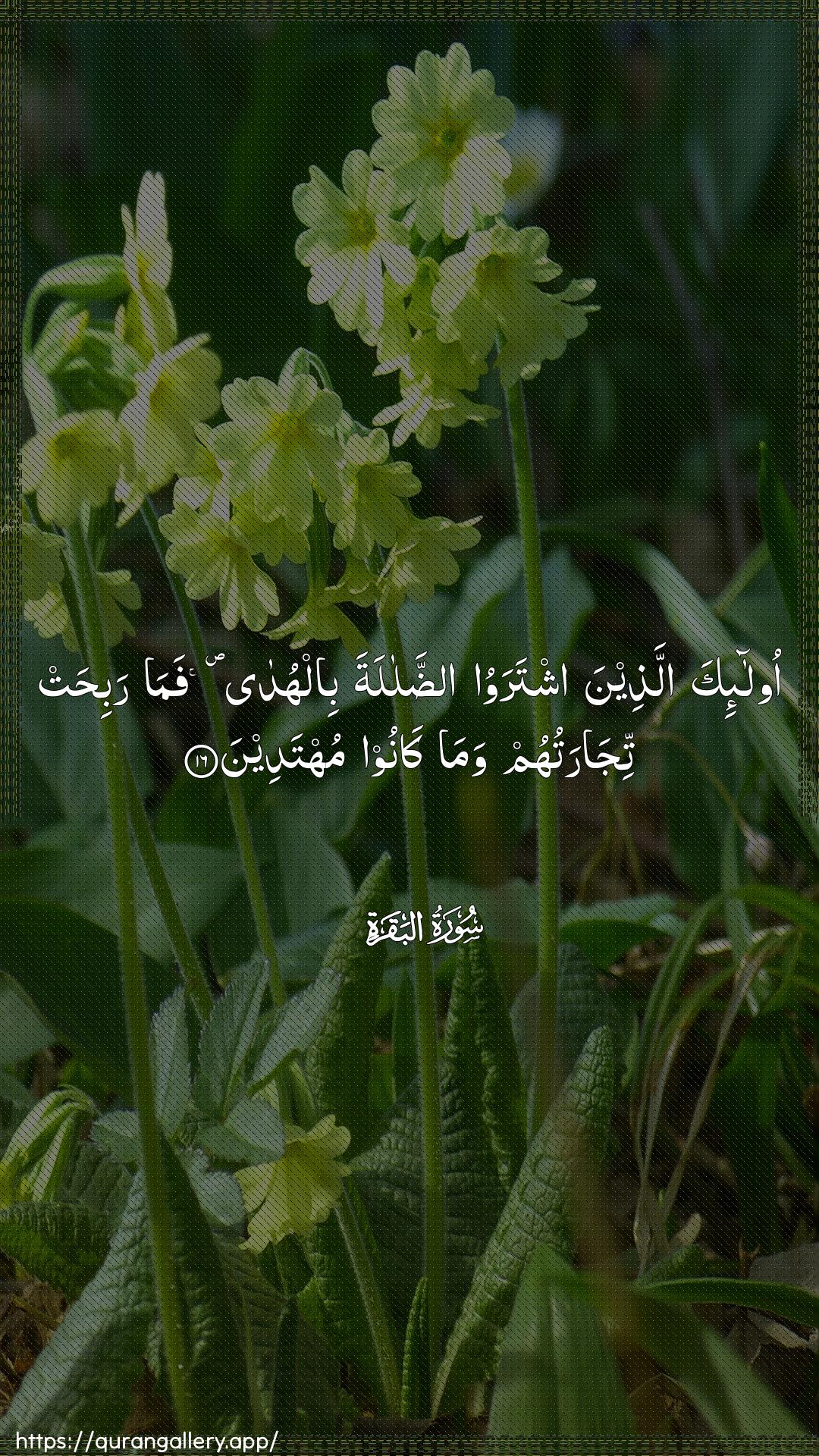
Arabic
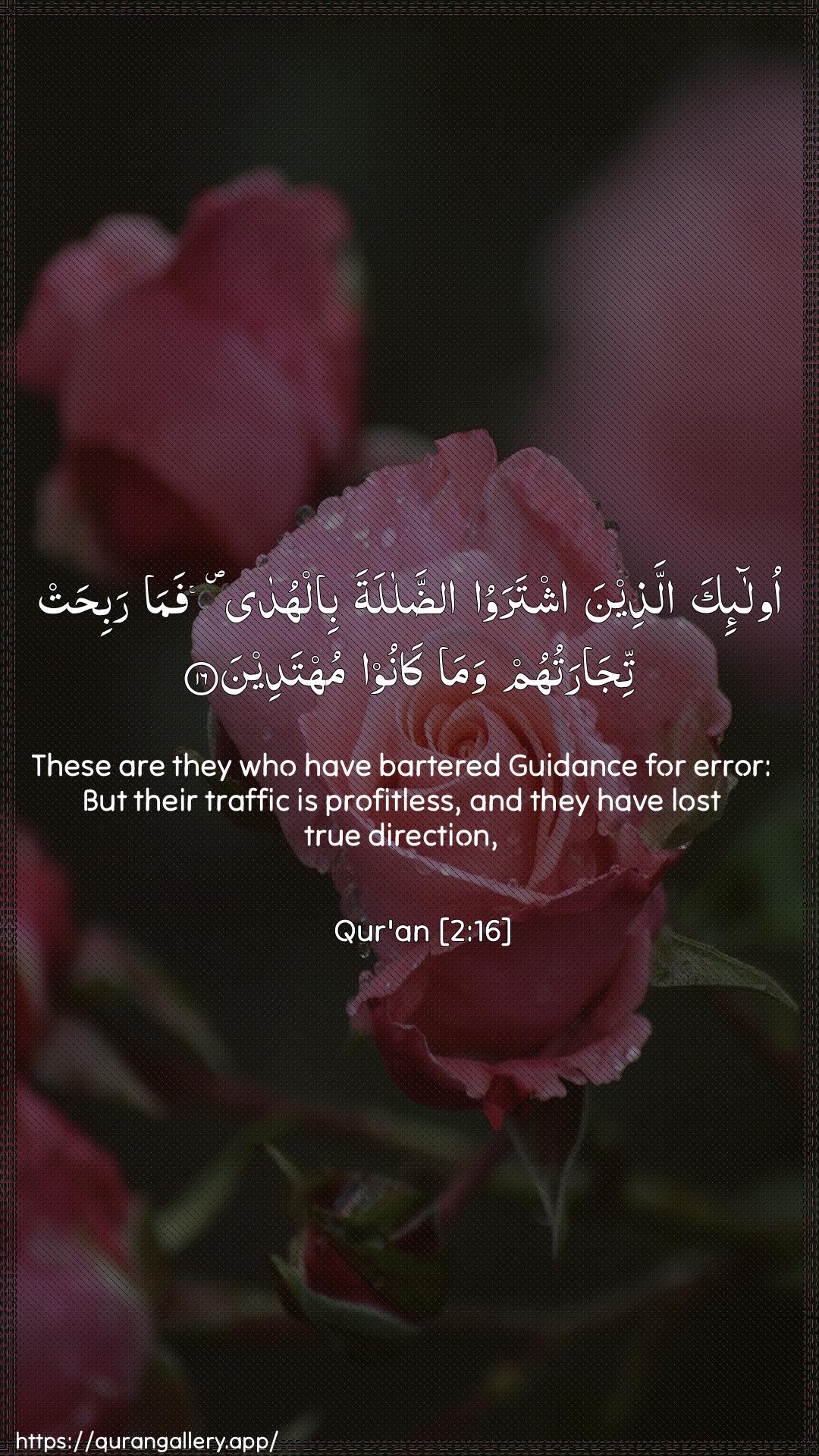
Arabic + English
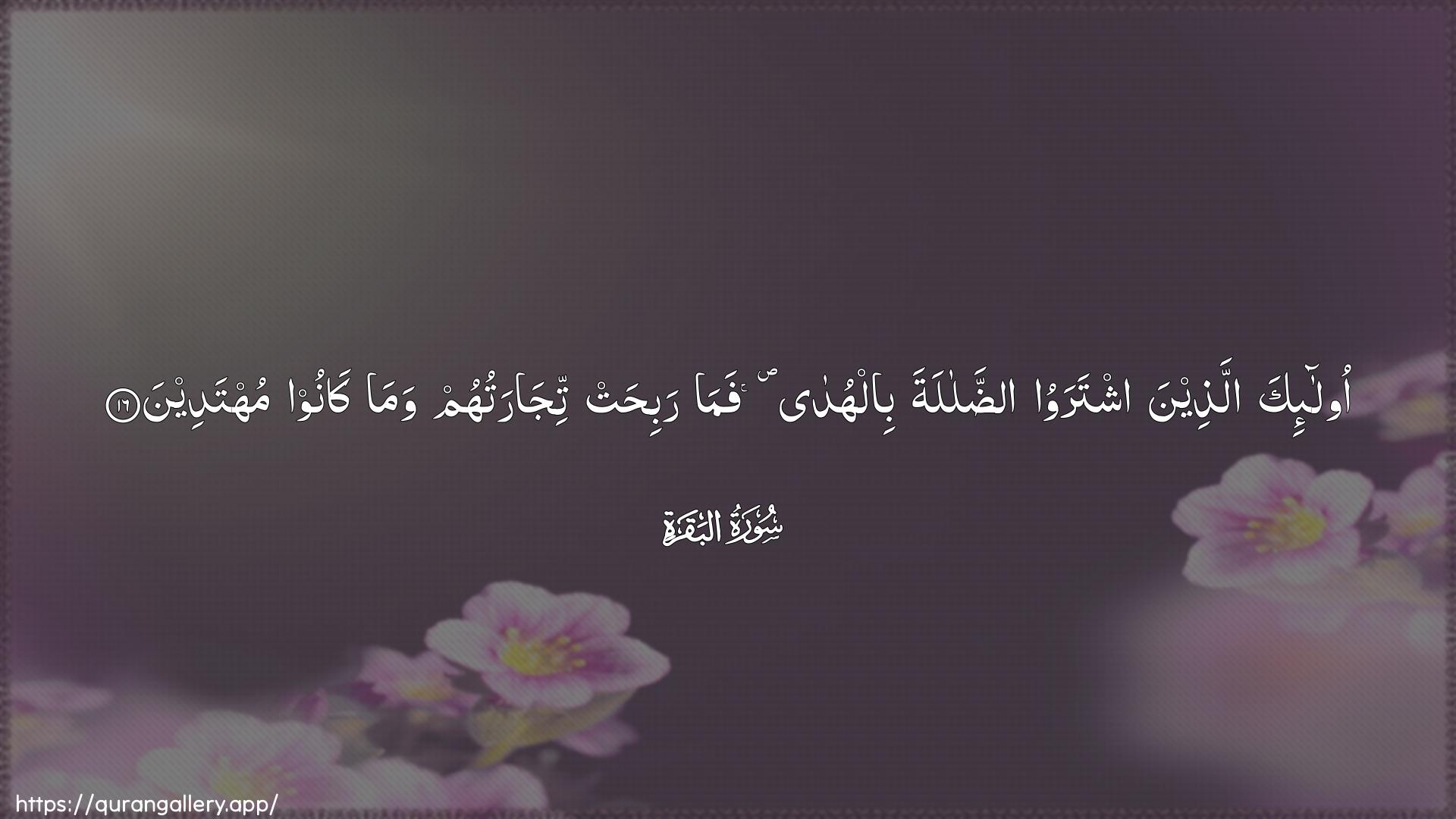
Arabic (Wide)
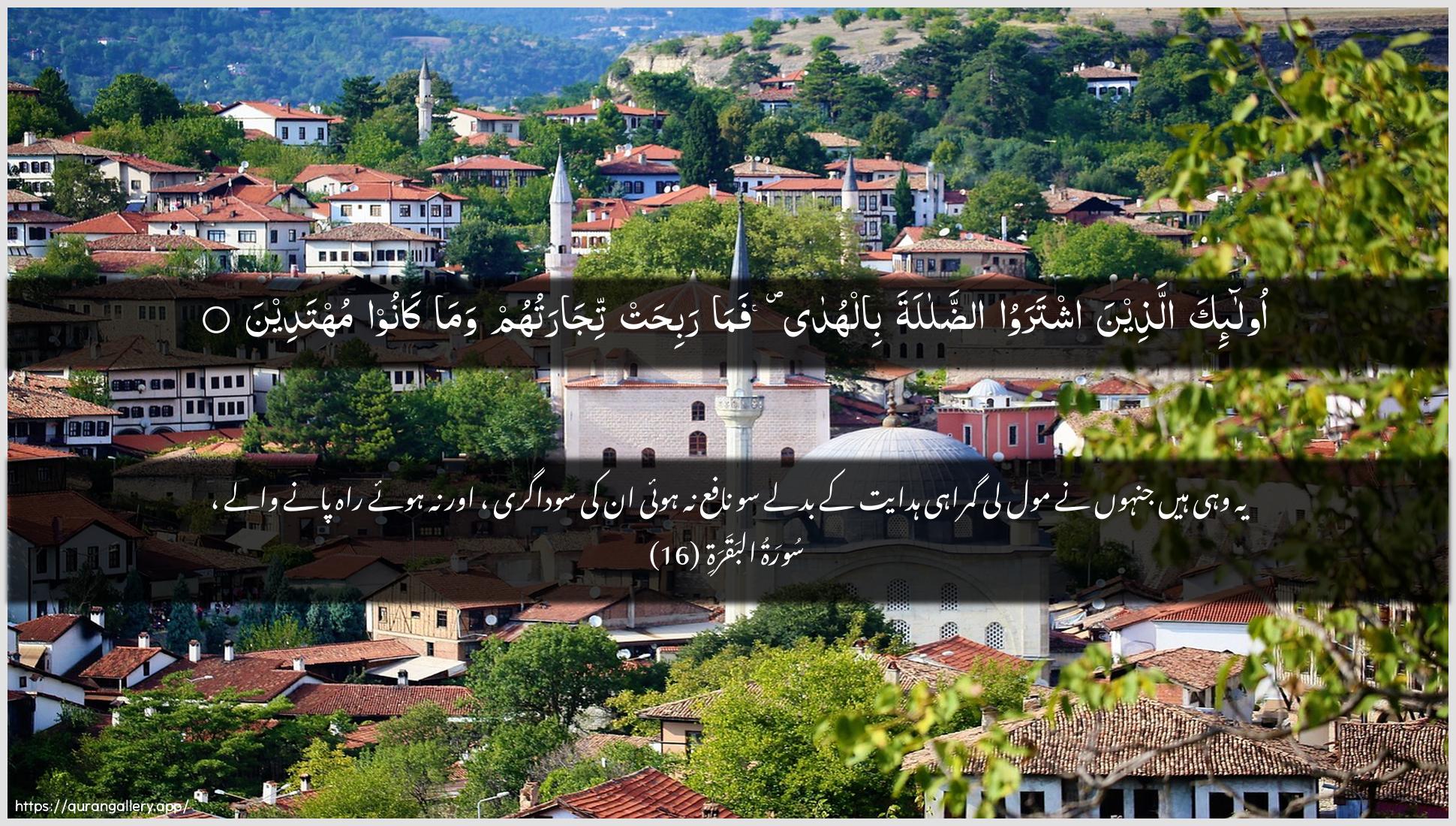
Arabic + Urdu
Free for personal & educational use with attribution
Quick Facts about this Verse
Surah
Al-Baqara
Revealed
Madani
Position
Juz 1,2,3
Explore this Verse
Verse Meaning
A comprehensive review of classical tafsirs reveals that Quran 2:16 uses the metaphor of a 'profitless trade' to define the spiritual bankruptcy of the hypocrites. According to Al-Tabari, citing early authorities like Ibn Abbas, the term 'ishtara' (they bought) signifies a deliberate exchange: they took misguidance and abandoned guidance. While Ibn Kathir notes this describes their preference for disbelief over faith, Al-Qurtubi emphasizes the transaction's folly, akin to a merchant trading jewels for pebbles. This synthesis across centuries of scholarship shows the verse is not merely about disbelief, but about a tragically flawed value system where the hypocrites actively choose a worthless commodity (error) over the most precious asset (guidance). What emerges from this comprehensive analysis is the profound insight that the hypocrites believe they have made a clever deal. The phrase 'fama rabihat tijaratuhum' (so their commerce did not profit) highlights their self-deception. As Qatada explains, they leave guidance for misguidance, community for division, and security for fear. The verse unveils a complete spiritual inversion: they invest everything in a failing enterprise and remain completely unaware of their eternal loss ('wa ma kanu muhtadeen' - nor were they guided). The synthesis of classical views reveals that the tragedy is not just the bad trade, but the blindness to the bankruptcy it causes.
Questions for Reflection
Textual Contemplation
Al-Tabari explains that 'ishtara' implies a deliberate exchange. Contemplate the finality of a purchase. Unlike borrowing, a purchase is a transfer of ownership. How does viewing the choice for misguidance as a final 'purchase' rather than a temporary 'rental' change your understanding of the hypocrites' spiritual state and the gravity of your own choices?
Personal Transformation
Qatada, as cited by Ibn Kathir, interprets this as they 'preferred' (istahabbu) misguidance over guidance. The Quran says guidance was available to them ('bi-l-huda'). Reflect on a time when guidance was clear to you, but you 'preferred' an easier, more convenient, or more socially acceptable form of misguidance. What was the 'profit' you sought, and what was the actual outcome?
Relational Wisdom
The verse states 'their commerce was not profitable.' Commerce is often a social activity. Contemplate how our social circles and communities can influence us to make 'unprofitable' spiritual trades, where we might exchange Islamic integrity for social acceptance. Who in your life encourages you towards 'profitable' trades, and who might subtly encourage the opposite?
Practical Applications
Conduct a 'Spiritual Trade Audit' weekly by identifying one choice where you prioritized worldly ease over divine guidance, reflecting on the 'profit' and 'loss'.
Apply this to career choices, social interactions, media consumption, or financial decisions, asking: 'Am I trading long-term guidance for a short-term gain?'
Before making significant decisions, consciously articulate the 'price' and the 'product' in spiritual terms, asking 'Am I about to pay with 'guidance' to acquire 'misguidance'?'
Use this before accepting a job with ethical compromises, entering a questionable relationship, or engaging in gossip for social capital.
Hidden Gem
The synthesis of Al-Tabari's linguistic precision and Qatada's focus on 'preference' reveals a startling insight: the transaction was not just a logical error but an emotional one. They didn't just *choose* misguidance; they *loved* it more than guidance ('istahabbu'). This reframes the issue from a mistake of the mind to a disease of the heart. The deepest contemplation, therefore, is not 'What is the right choice?' but 'What does my heart truly love and prefer?'
Scroll to see more verses or use the dropdown in the breadcrumb to jump to any verse
Common Questions
3 more questions available in the full page