
Al-Baqara - The Cow
Arabic Name: الْبَقَرَة
Urdu Name: گائے
Type: Madani
Serial Number: 2
Revelation Order: 87
Total Verses: 286
Parah: 1,2,3
Rukus: 40
Sajda: None
Share Verse Art

Arabic
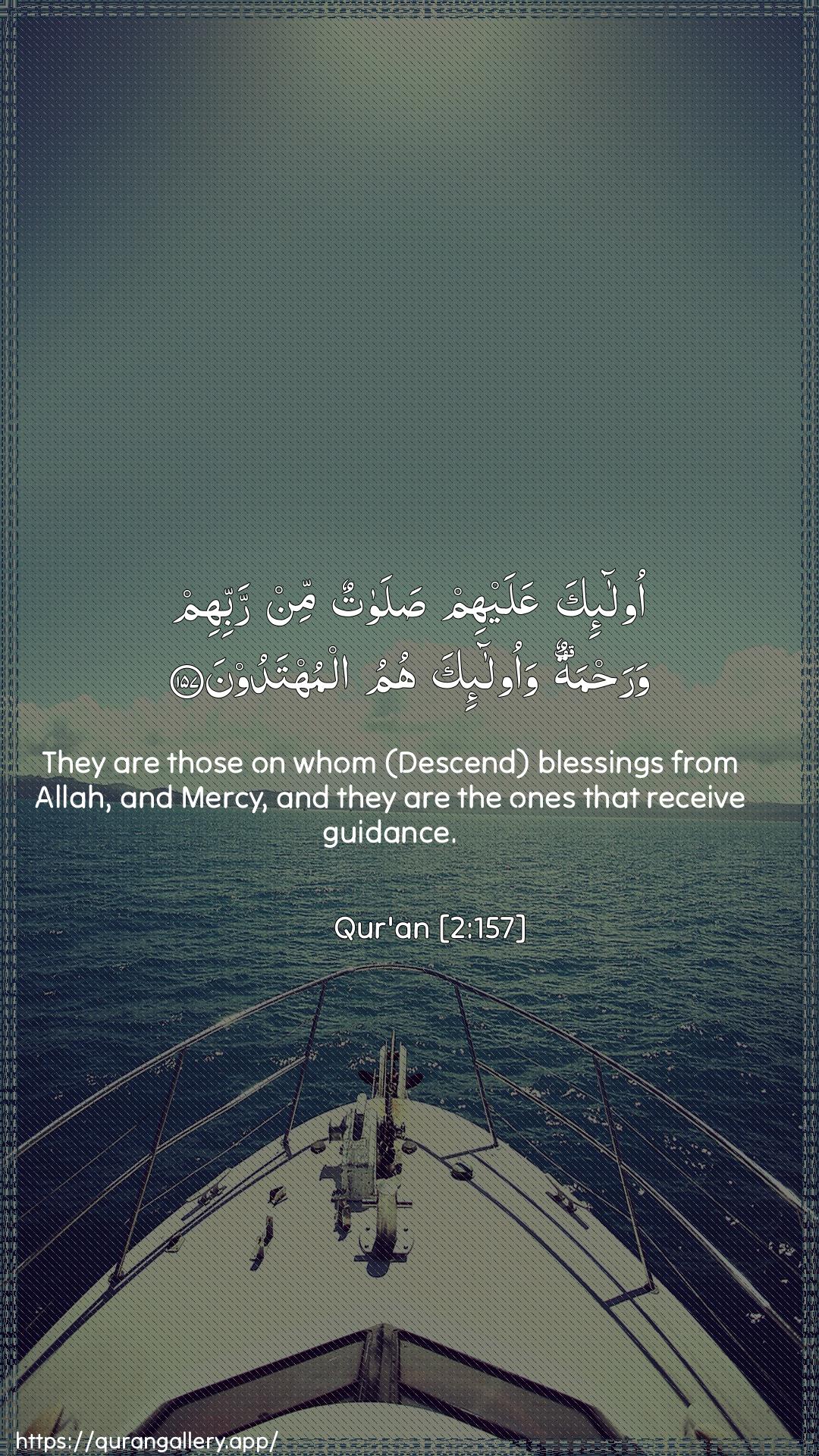
Arabic + English
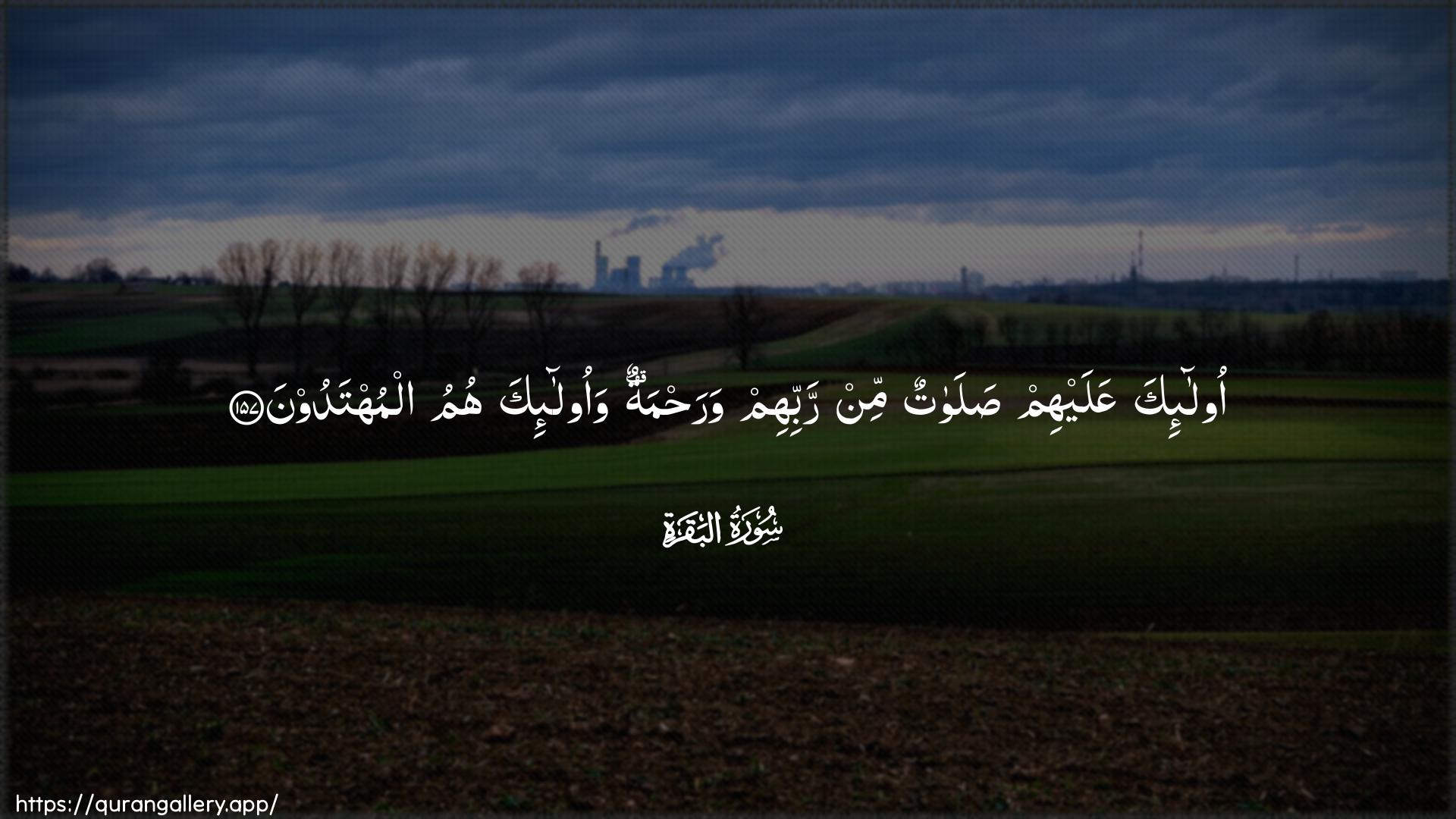
Arabic (Wide)
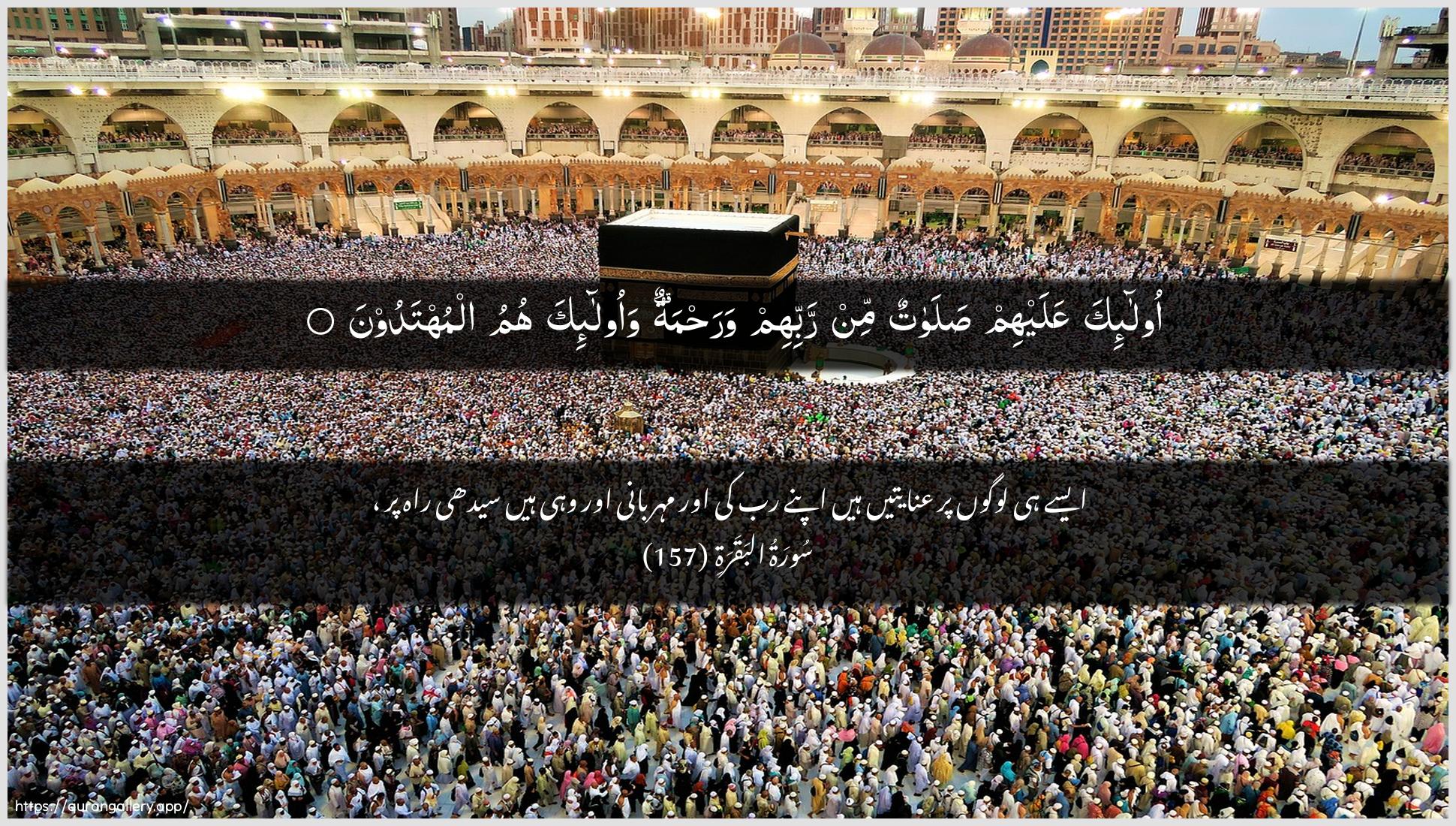
Arabic + Urdu
Free for personal & educational use with attribution
Quick Facts about this Verse
Surah
Al-Baqara
Revealed
Madani
Position
Juz 1,2,3
Explore this Verse
Verse Meaning
According to Ibn Kathir, this verse, Al-Baqarah 2:157, outlines the magnificent reward for those who exhibit patience in the face of trials mentioned in the preceding verses. The verse promises a threefold divine compensation: 'Salawat' (صلوات), 'Rahmah' (رحمة), and 'Hidayah' (هداية). Classical scholars like Al-Tabari clarify that 'Salawat' from Allah is not merely prayer, but His praise, honor, and forgiveness for His servants. This is coupled with 'Rahmah,' a specific and encompassing mercy that alleviates their suffering and secures them from punishment, as noted by Sa'id ibn Jubayr. The synthesis of these scholarly views reveals a divine process: through patience and submission ('Inna lillahi...'), a believer attracts Allah's praise and forgiveness, which then envelops them in His mercy. The culmination, as stated by Umar ibn al-Khattab in a famous narration, is the 'bonus' of being affirmed as 'Al-Muhtadun'—those who are truly guided. This confirms they have not only passed the test but have been set firmly upon the straight path, a status that is the ultimate goal of a believer. This comprehensive reward system transforms a personal calamity into a confirmed means of attaining divine favor and certitude.
Questions for Reflection
Theological Contemplation
Al-Tabari explains that 'Salawat' from Allah is His forgiveness and praise. Reflect on the difference between seeking mercy (Rahmah) and seeking Allah's praise (Salawat). How does striving for Allah's praise in the face of hardship change your entire spiritual posture and relationship with Him?
Personal Transformation
Contemplate the famous statement of Umar ibn al-Khattab: 'What righteous things, and what a great bonus!' He saw blessings and mercy as the core reward, and guidance as the beautiful addition. In your life's trials, have you focused only on seeking relief (mercy), or have you also sought the 'bonus' of becoming more guided and certain in your faith?
Behavioral Alignment
Ibn Kathir highlights the story of Umm Salamah, who initially thought no one could be better than her husband, yet her submission led her to marry the Prophet ﷺ. Reflect on a time you faced a loss where you couldn't imagine a better outcome. How can this verse and hadith instill a deeper trust that Allah's plan, unlocked by your patience, is always superior to your own imagination?
Practical Applications
Reframe Calamity as an Invitation: View every trial not as a punishment, but as a direct call from Allah to earn His special blessings (Salawat) and mercy.
Apply this to career setbacks, health challenges, or financial loss to maintain spiritual equilibrium and focus on the promised divine response.
Implement the Prophetic Dua: During any loss, immediately say 'Inna lillahi...' and follow it with the supplication taught to Umm Salamah for a better replacement.
Use this practice for any loss, from losing a possession to the death of a loved one, to immediately anchor the heart in divine trust.
Seek the 'Bonus' of Guidance: Understand that the ultimate reward beyond comfort is being affirmed as 'rightly guided' (Al-Muhtadun), and make this the goal of your patience.
In moments of confusion or doubt during a trial, remind yourself that patient endurance is the very act that solidifies your guidance.
Hidden Gem
A subtle insight is that the verse doesn't just promise guidance, but declares 'they *are* the rightly guided' (humul muhtadun). This is not a future promise but a present-tense confirmation. Contemplate how, in the very moment of beautiful patience, you are not just *on* the path, but you embody the state of guidance itself.
Scroll to see more verses or use the dropdown in the breadcrumb to jump to any verse
Common Questions
2 more questions available in the full page