
Al-Baqara - The Cow
Arabic Name: الْبَقَرَة
Urdu Name: گائے
Type: Madani
Serial Number: 2
Revelation Order: 87
Total Verses: 286
Parah: 1,2,3
Rukus: 40
Sajda: None
Related Hadith
"Verily, when the servant commits a sin a black spot appears upon his heart. If he abandons the sin, seeks forgiveness, and repents, then his heart will be polished. If he returns to the sin, the blackness will be increased until it overcomes his heart. It is the covering (ran) that Allah has mentioned..."
This hadith explains the process by which a person's own actions can lead to the spiritual state of a 'sealed heart' described as a consequence in the following verse (2:7).
Share Verse Art
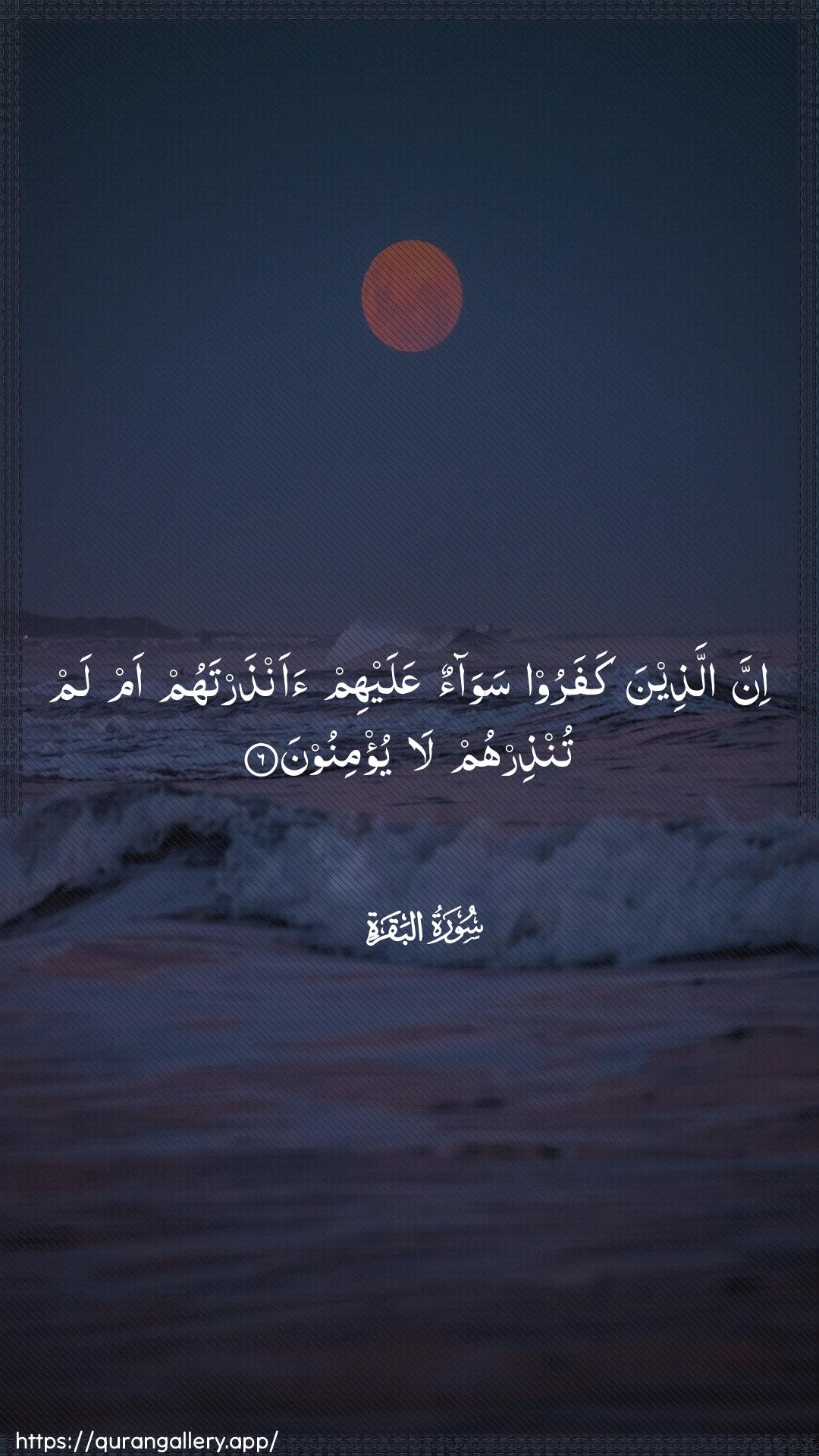
Arabic
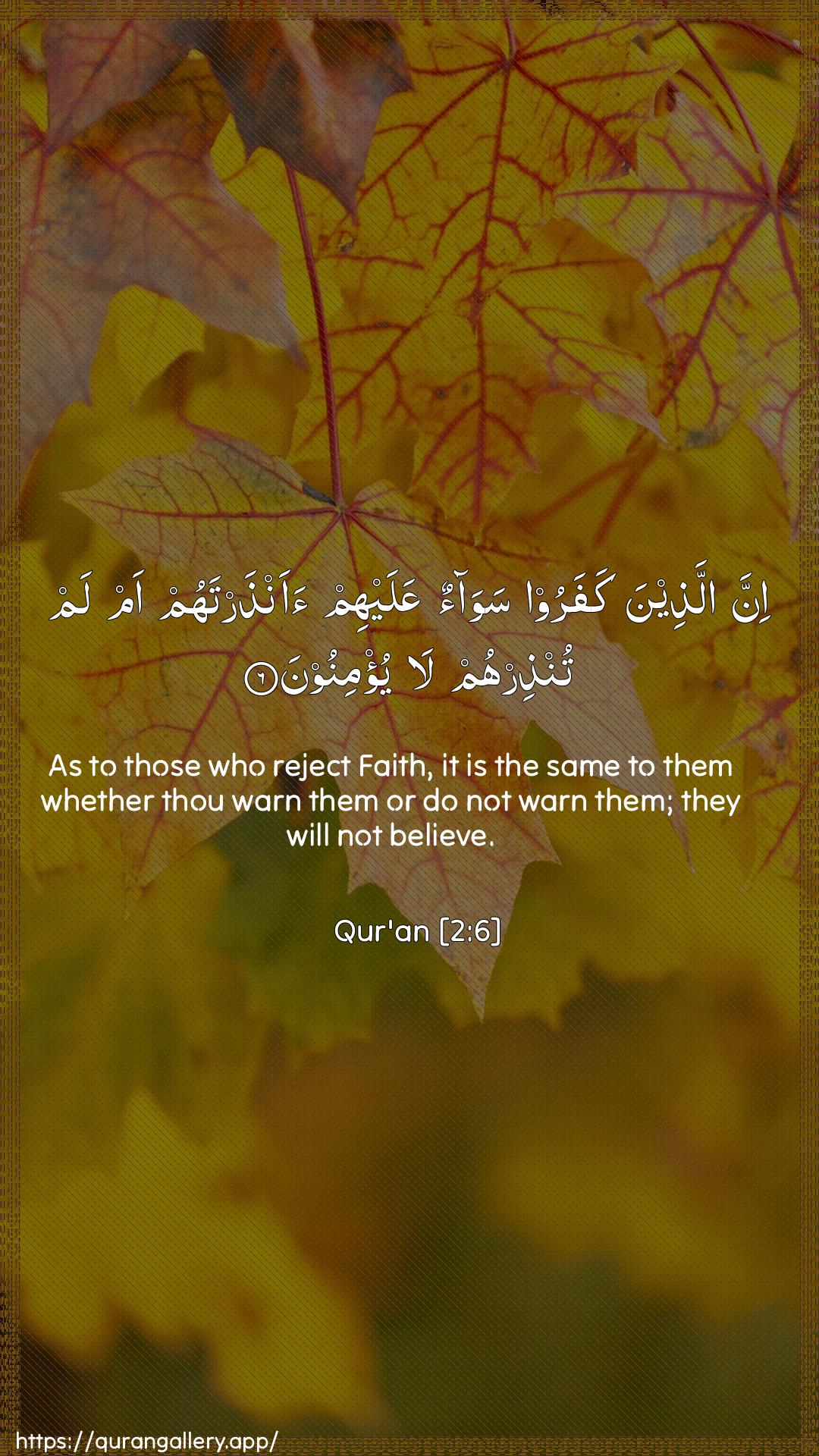
Arabic + English
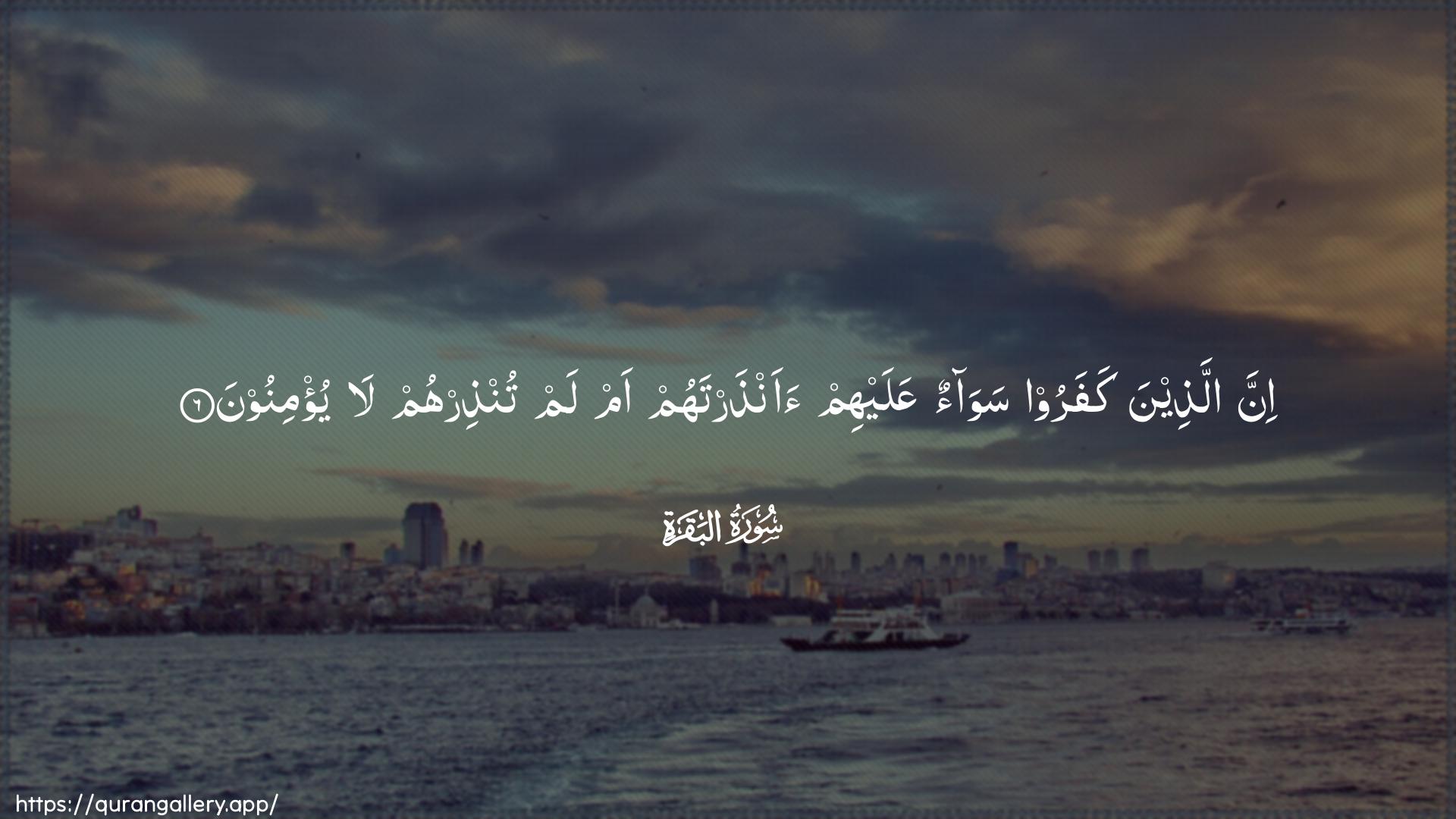
Arabic (Wide)
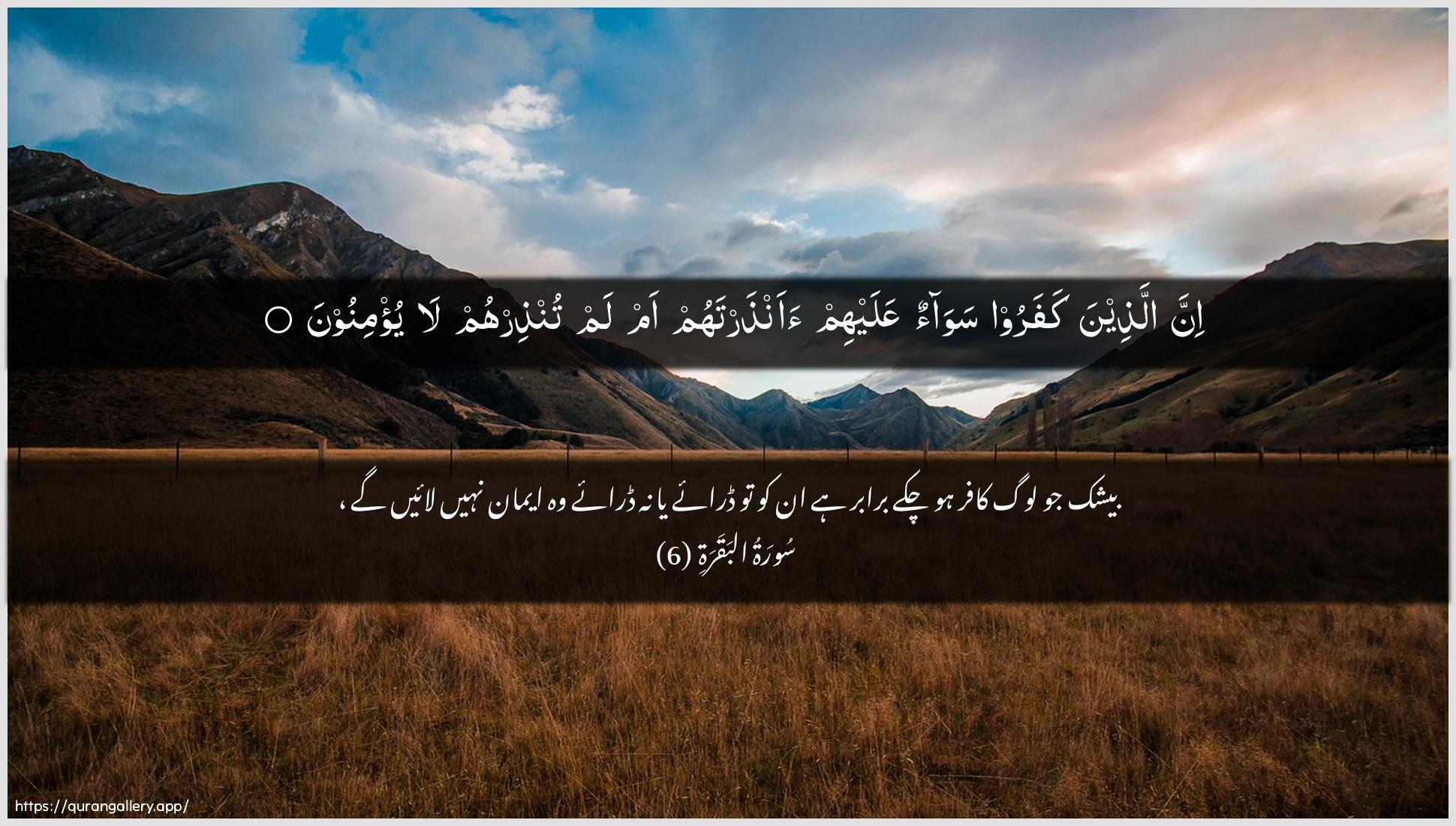
Arabic + Urdu
Free for personal & educational use with attribution
Quick Facts about this Verse
Surah
Al-Baqara
Revealed
Madani
Position
Juz 1,2,3
Explore this Verse
Verse Meaning
According to a comprehensive review of classical tafsirs, Quran 2:6, 'Inna alladheena kafaroo...', addresses a specific category of individuals whose disbelief is deeply entrenched and immutable. The great exegete Al-Tabari posits that the verse primarily refers to the Jewish scholars of Madinah who recognized the Prophet Muhammad (ﷺ) but willfully concealed the truth. Ibn Kathir broadens this, citing Ibn Abbas, to include anyone for whom wretchedness was written in the Divine Decree, making prophetic warnings ineffective for them. This scholarly synthesis reveals that the verse is not a general condemnation of all non-Muslims, but a profound theological statement about the consequences of persistent, knowing rejection. The linguistic root of 'kafaru' means 'to cover or conceal,' implying a deliberate act of hiding a known truth. Thus, the verse describes a spiritual state where pride, envy, and worldly interests create a barrier to faith so formidable that even the most direct divine warning cannot penetrate it. It serves as both a description of a spiritual reality and a solace to the Prophet (ﷺ), affirming that his duty is to deliver the message, while guidance ultimately rests with Allah.
Questions for Reflection
Textual Contemplation
Al-Tabari and Qurtubi emphasize the root of 'kafaru' is 'to cover.' Contemplate disbelief not as mere ignorance, but as an active process of 'covering' a truth one intuitively or intellectually knows. Where in modern life do we see people (including ourselves) 'covering' truths for convenience, pride, or personal gain?
Personal Transformation
This verse was revealed as a solace to the Prophet (ﷺ) to ease his sorrow over his people's rejection. Reflect on a time you put your full effort into something for someone's benefit, and it was rejected. How does this verse reframe that experience, shifting the burden of the outcome from your shoulders to the realm of divine will?
Theological Wisdom
Maulana Wahid Uddin Khan describes the 'sealed heart' as a result of psychological conditioning from pride and worldliness. Contemplate the subtle ways your daily habits, media consumption, and social circles might be 'conditioning' your heart. What practical steps can you take to ensure your heart remains open and receptive, rather than sealed?
Practical Applications
Practice Detachment from Results in Da'wah
Apply this when sharing Islam with family, friends, or online, focusing on clear and kind communication rather than pressuring for a specific outcome.
Develop Spiritual Discernment
Useful in online forums or public discussions, helping one to disengage gracefully from fruitless arguments and focus on productive conversations.
Conduct a Personal Spiritual Audit
Use this for personal journaling or reflection, especially when feeling resistant to advice or struggling with a particular aspect of faith.
Hidden Gem
The synthesis reveals that the phrase 'Sawa'un 'alayhim' (it is all the same to them) is the key. It describes a state of spiritual equilibrium in error. A healthy heart is agitated by warnings; it feels the difference between truth and falsehood. The 'sealed' heart has lost this sensitivity. Contemplating this transforms the verse into a prayer: 'O Allah, let it never be the same to me whether I hear Your guidance or not. Keep my heart sensitive to Your warnings.'
Scroll to see more verses or use the dropdown in the breadcrumb to jump to any verse
Common Questions
2 more questions available in the full page