
Al-Baqara - The Cow
Arabic Name: الْبَقَرَة
Urdu Name: گائے
Type: Madani
Serial Number: 2
Revelation Order: 87
Total Verses: 286
Parah: 1,2,3
Rukus: 40
Sajda: None
Related Hadith
"Umar ibn al-Khattab asked Ubayy ibn Ka'b about Taqwa. Ubayy said, 'Have you ever walked on a path that has thorns on it?' Umar said, 'Yes.' Ubayy asked, 'What did you do then?' to which Umar replied, 'I rolled up my sleeves and struggled.' Ubayy said, 'That is taqwa.'"
Provides a practical, metaphorical definition of Taqwa, which is the key quality of the 'Muttaqin' mentioned in the verse.
Share Verse Art
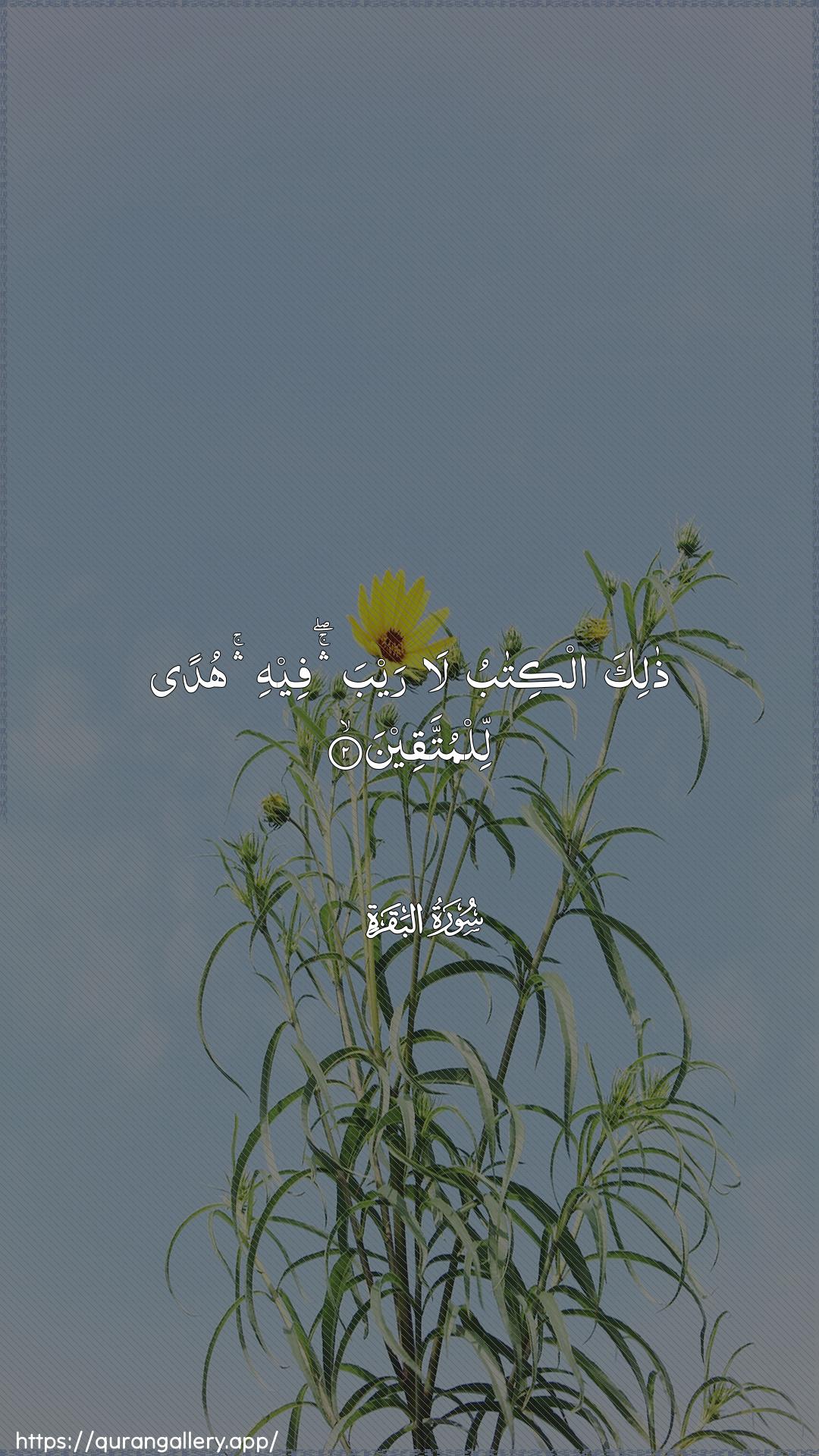
Arabic
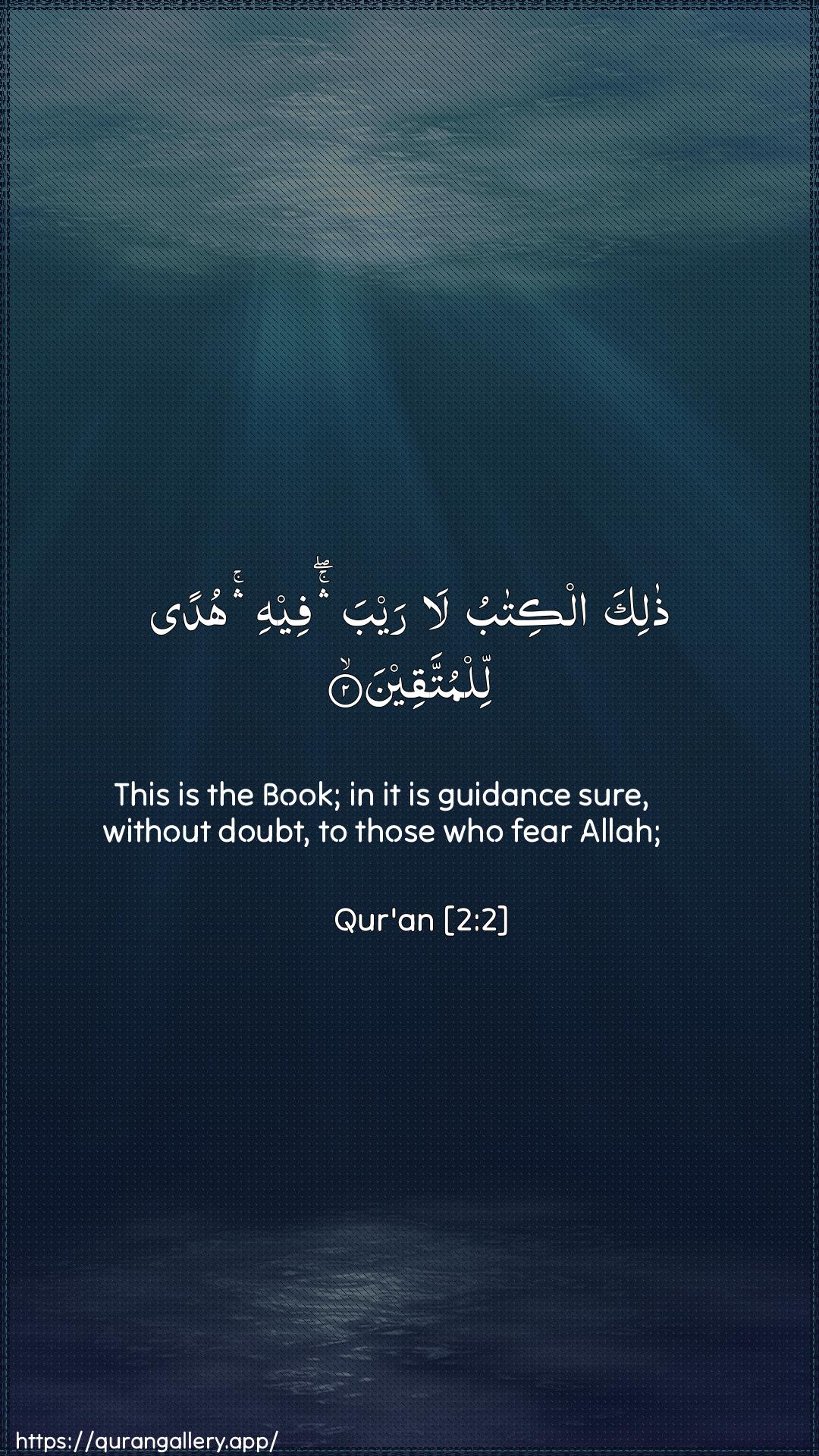
Arabic + English
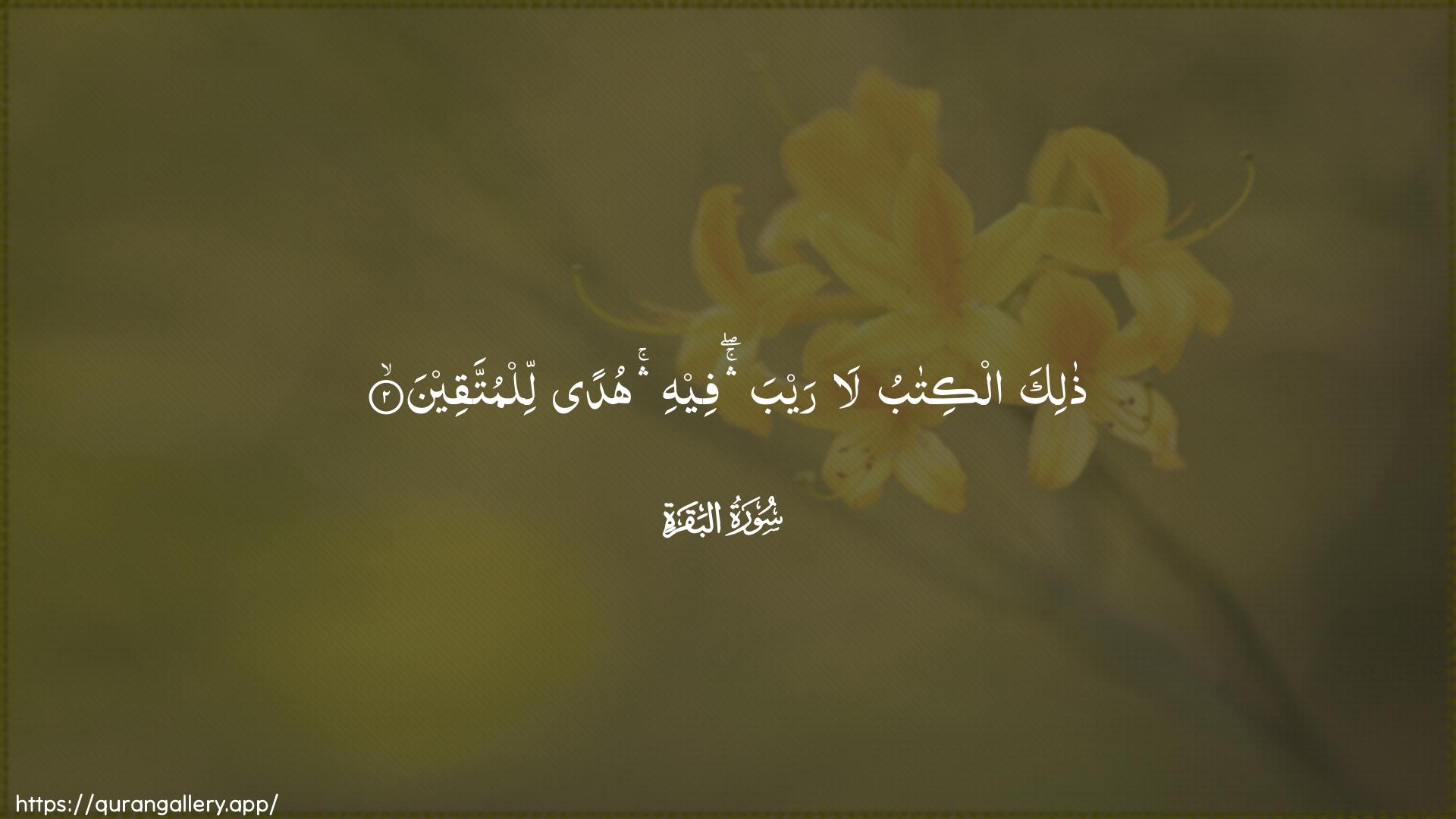
Arabic (Wide)
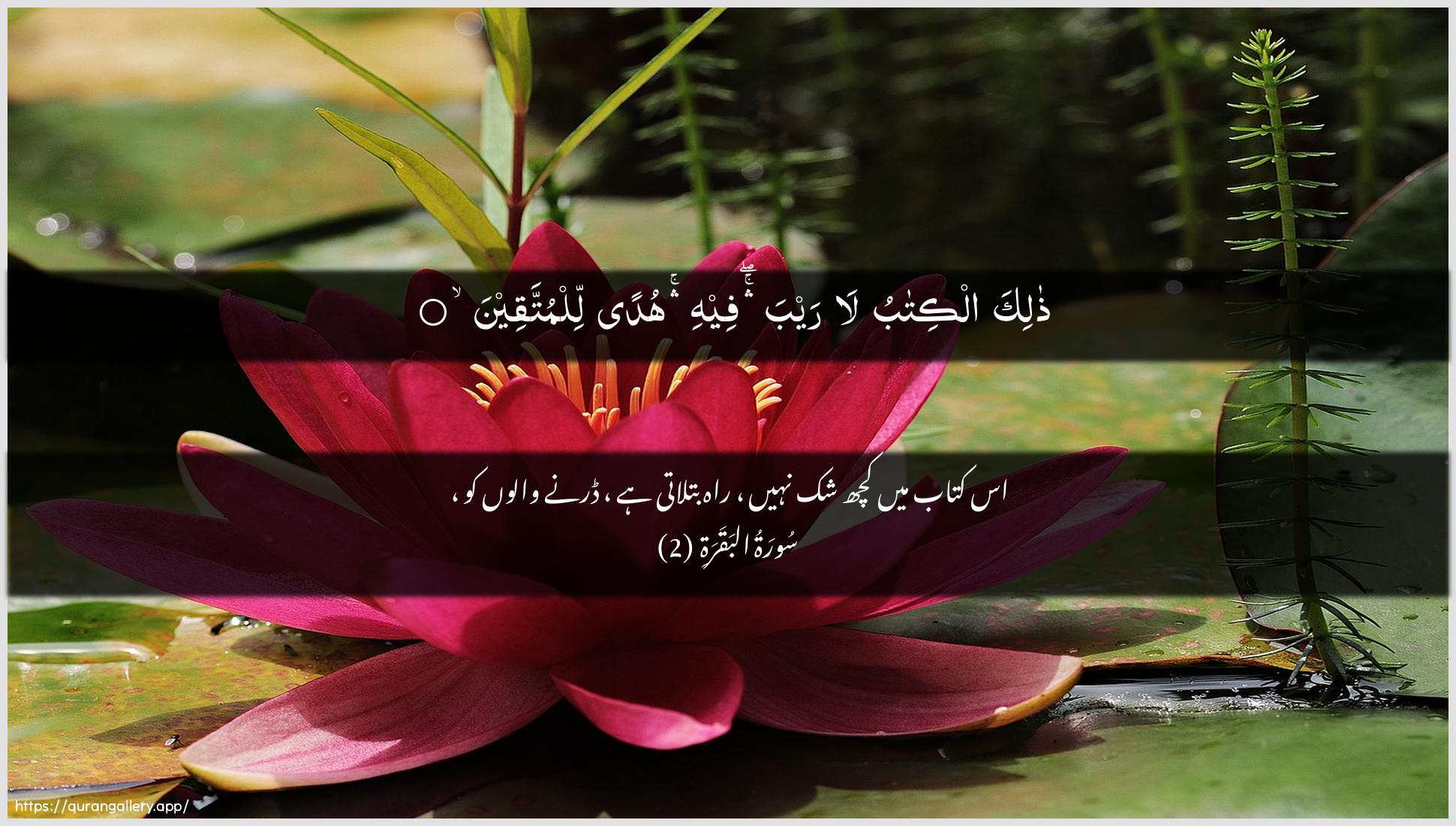
Arabic + Urdu
Free for personal & educational use with attribution
Quick Facts about this Verse
Surah
Al-Baqara
Revealed
Madani
Position
Juz 1,2,3
Explore this Verse
Verse Meaning
According to the esteemed classical exegete Ibn Kathir, this foundational verse, 'Dhalikal-Kitabu la rayba fih,' serves as the Quran's definitive self-introduction, declaring its divine authority and perfect nature. While Ibn Kathir focuses on the certainty of its divine origin, Al-Tabari provides a deep linguistic analysis of why 'Dhalika' (That Book) is used to signify its elevated and transcendent status. Al-Qurtubi further clarifies that the absence of doubt ('La Rayb') is an objective truth about the Book itself, even if some individuals may harbor doubt. This synthesis of classical scholarship presents the Quran not merely as a text, but as a complete, unassailable, and perfect source of truth. The most profound insight, however, emerges from the phrase 'Hudan lil-Muttaqin' (a guidance for the God-conscious). As multiple commentators like Ibn Abbas and Hasan al-Basri explain, while the Quran's guidance is universally available, its transformative power is unlocked only by those who possess Taqwa (God-consciousness). This establishes a core spiritual principle: divine guidance is not a passive reception but an active engagement, made possible by a heart that consciously seeks to protect itself from wrongdoing. The famous account of Umar ibn al-Khattab defining Taqwa to Ubayy ibn Ka'b as carefully navigating a thorny path perfectly illustrates this active, conscious piety required to truly benefit from the Quran's light. Thus, the verse is both a declaration of the Quran's perfection and a roadmap for the reader on how to become a worthy recipient of its guidance.
Questions for Reflection
Textual Contemplation (Elevated Status)
Scholars like Al-Tabari analyze why Allah uses 'ذَٰلِكَ' (That Book), a term for something distant, rather than 'هَٰذَا' (This Book). Contemplate this. How does viewing the Quran not as a common book in your hands, but as a transcendent, elevated scripture from a divine source, change your reverence and readiness to receive its message?
Personal Transformation (The State of 'Muttaqin')
Reflect deeply on the dialogue between Umar ibn al-Khattab and Ubayy ibn Ka'b cited by Ibn Kathir, defining Taqwa as carefully navigating a thorny path. What are the specific 'thorns' on your personal path today—in your speech, your thoughts, your consumption of media, your interactions? How can you 'tuck up your garment' and tread more consciously to avoid them, thereby qualifying for the guidance mentioned in the verse?
Relational Wisdom (Guidance as a Relationship)
The verse states the Quran is 'guidance FOR the Muttaqin,' implying a relationship where one party (the Quran) offers something that is received by another (the person of Taqwa). How does this frame your relationship with the Quran? Do you see it as a passive instruction manual, or as an active source of light that responds to and illuminates your state of Taqwa? How can you improve your end of this relationship to receive more guidance?
Practical Applications
Implement the 'Thorny Path' Mindfulness in Daily Decisions
Apply this when scrolling social media (avoiding gossip), in business deals (avoiding dishonesty), or in conversations (avoiding hurtful speech).
Use 'La Rayba Fih' as a Certainty Anchor in Times of Confusion
Use during moments of career uncertainty, when consuming conflicting news, or when feeling personal doubt about your path.
Define Your Actions by Seeking Guidance First
Practice before starting a new project at work, beginning a difficult conversation, or embarking on a journey.
Hidden Gem
The synthesis of scholarly thought reveals a profound spiritual dynamic: 'La Rayb' (no doubt) is the objective state of the Book, while Taqwa is the subjective state of the heart. Contemplation on this connection shows that to the degree we cultivate internal Taqwa, we experience the external reality of the Quran's certainty. The journey to removing doubt in our hearts is the journey of cultivating Taqwa in our lives.
Scroll to see more verses or use the dropdown in the breadcrumb to jump to any verse
Common Questions
3 more questions available in the full page