
Al-Faatiha - The Opening
Arabic Name: الْفَاتِحَة
Urdu Name: کھولنے والی
Type: Makki
Serial Number: 1
Revelation Order: 5
Total Verses: 7
Parah: 0
Rukus: 1
Sajda: None
Related Hadith
"Allah the Almighty said: 'I have divided the prayer between Myself and My servant into two halves... When the servant says: 'You (alone) we worship and You (alone) we ask for help,' He says: 'This is between Me and My servant, and My servant shall have what he has asked for.'"
This Hadith Qudsi establishes the verse's central role as the point of direct dialogue and covenant between the worshipper and Allah during prayer.
Share Verse Art

Arabic
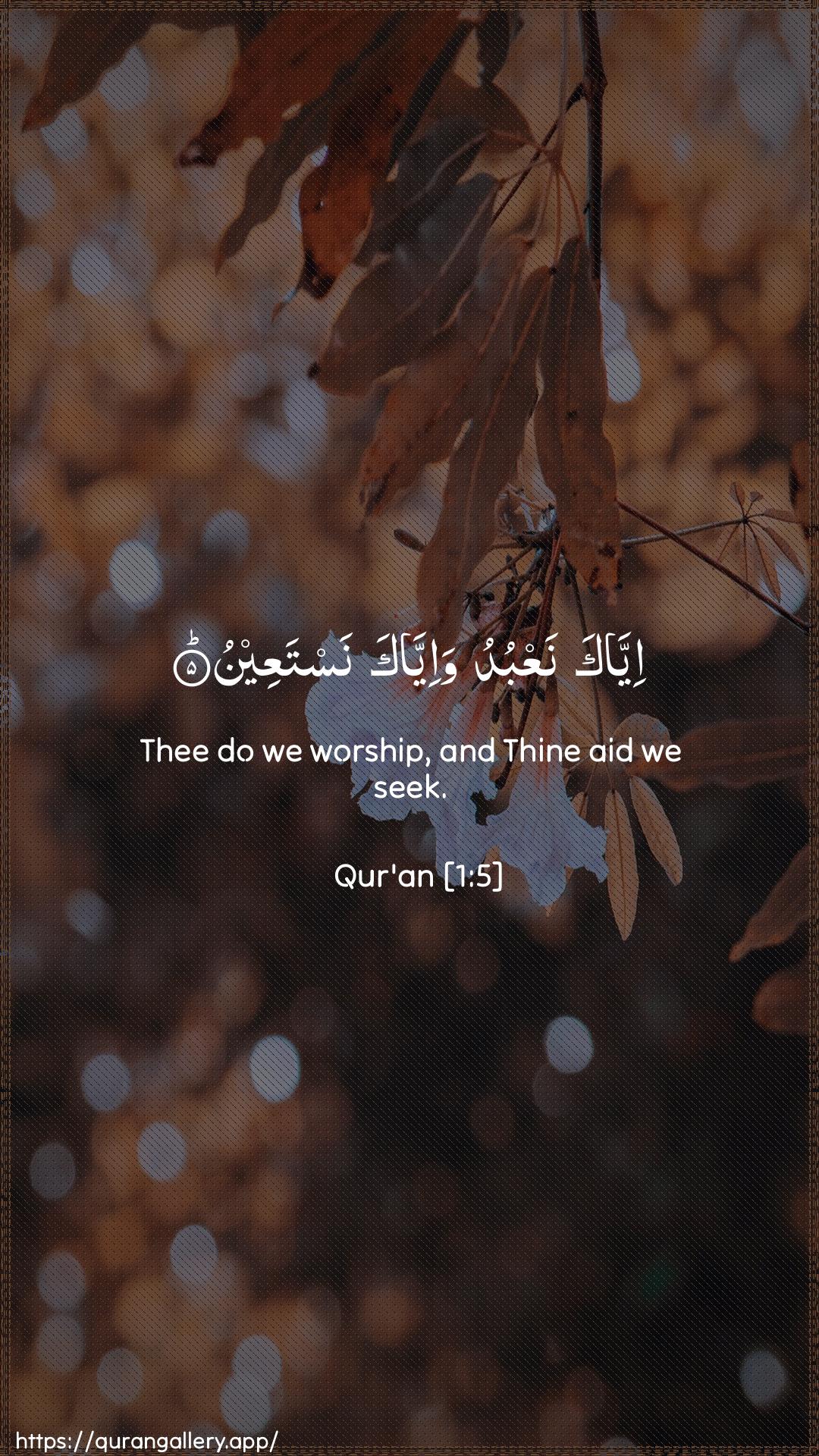
Arabic + English
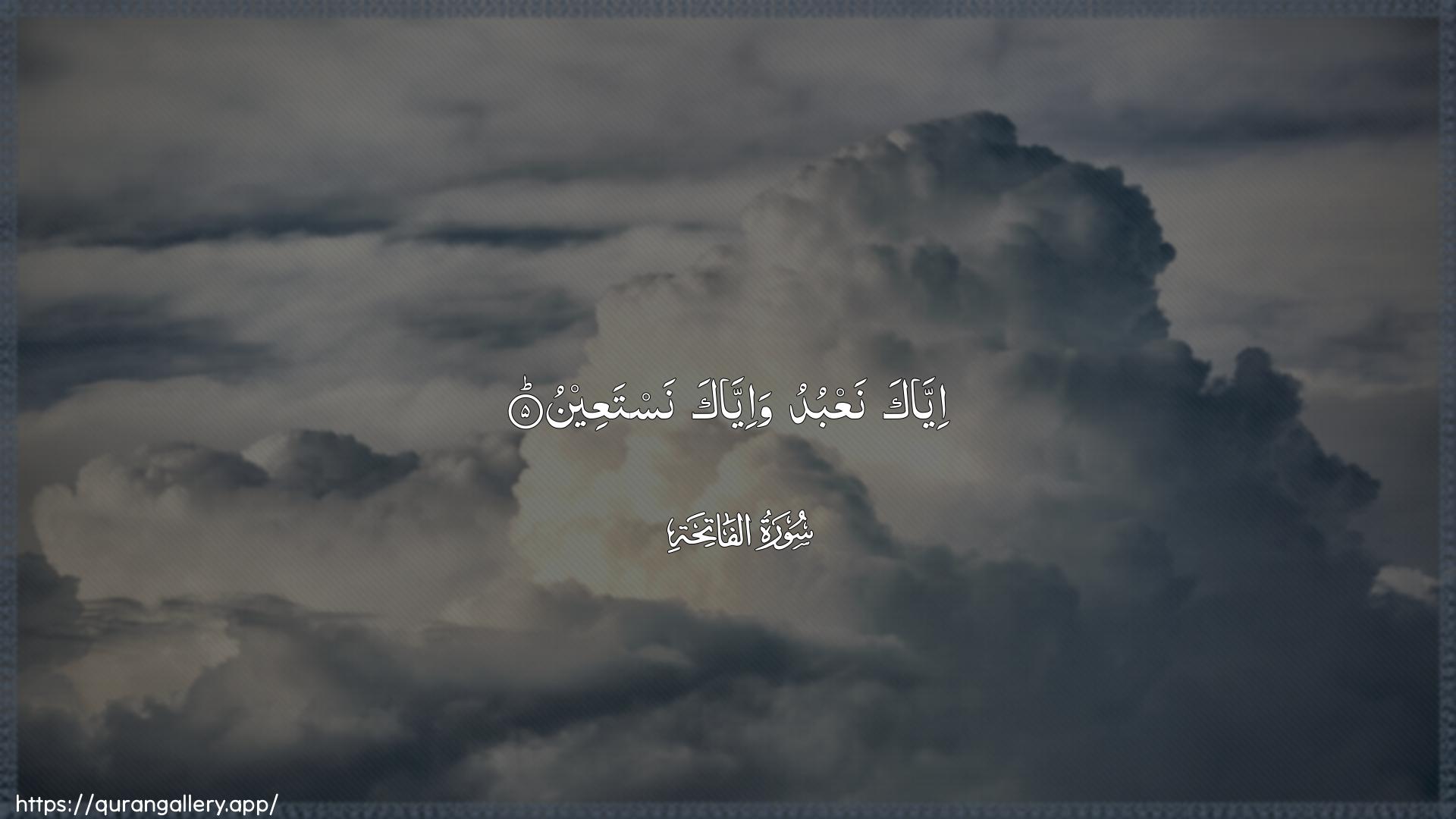
Arabic (Wide)
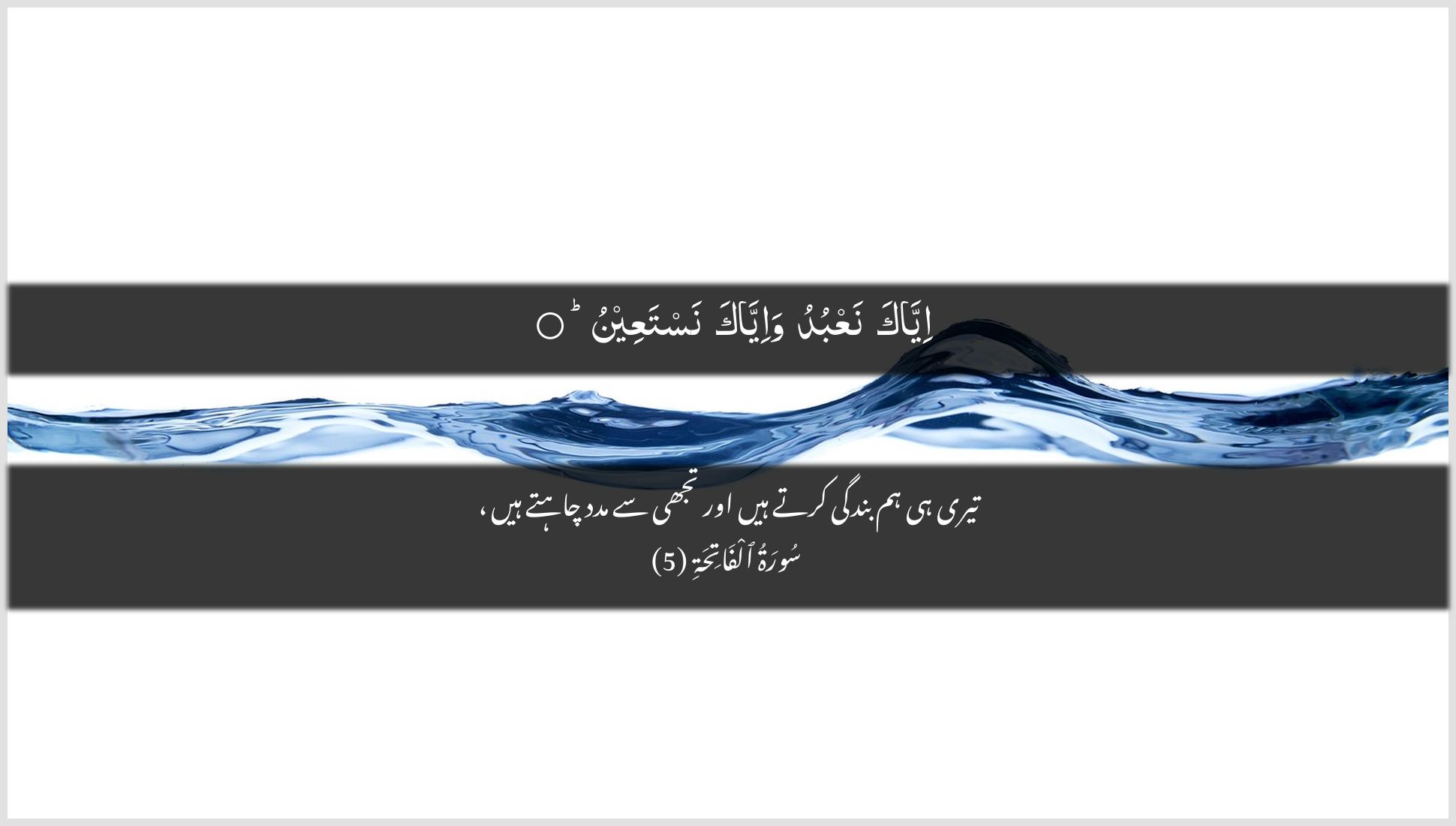
Arabic + Urdu
Free for personal & educational use with attribution
Quick Facts about this Verse
Surah
Al-Faatiha
Revealed
Makki
Position
Juz 0
Explore this Verse
Verse Meaning
A comprehensive review of classical tafsirs, including those by Ibn Kathir and Al-Tabari, reveals that Quran 1:5, 'Iyyaka Na'budu wa Iyyaka Nasta'in' (You alone we worship, and You alone we ask for help), is the central pivot of the entire Quran and the core of the covenant between humanity and God. Al-Tabari explains that the term 'nabudu' (we worship) originates from a root signifying ultimate humility and submission. Ibn Kathir highlights the profound linguistic shift from the third person (praising Allah) to the second person (addressing Him directly), indicating that after acknowledging God's majesty, the worshipper feels present before Him. This synthesis shows the verse is not merely a statement but a transition into direct conversation with the Divine. The hidden gem emerging from this analysis is the verse's perfect balance between action and reliance. As explained by some scholars, 'Iyyaka na'budu' is a disavowal of shirk (polytheism), while 'Iyyaka nasta'in' is a disavowal of relying on one's own power, thus liberating the believer from both external and internal idols. The grammatical structure, placing 'Iyyaka' (You alone) before the verb, is a powerful tool in Arabic for expressing exclusivity (hasr), emphatically stating that no worship is directed to anyone else and no ultimate help is sought from any other source. This structure, as noted by Al-Qurtubi, is a cornerstone in refuting all forms of polytheism, both overt and subtle. The comprehensive understanding is that this verse encapsulates the entire religion: sincere worship as the goal, and seeking Divine aid as the means to achieve it.
Questions for Reflection
Textual Contemplation
Al-Tabari defines 'ibadah' as the highest level of humility and submission. Contemplate the difference between simply 'praying' and embodying this state of ultimate humility. How would your posture, your thoughts, and your heart change in Salah if you truly embodied this meaning?
Personal Transformation
Al-Qurtubi and other scholars stress the exclusivity implied by 'Iyyaka' (You ALONE). Reflect honestly on your week: what are the subtle things you 'worship' by giving them ultimate importance or seeking their approval? What are the things you 'seek help' from with the belief they have ultimate power to solve your problems?
Relational Wisdom
Ibn Kathir highlights the shift from speaking *about* Allah to speaking *to* Allah in this verse. Contemplate your relationship with God. Does it feel like you are talking about a distant being, or are you in direct, intimate conversation? How can you cultivate this sense of 'presence' that the verse teaches?
Practical Applications
Perform a daily 'Shirk Audit' by examining who or what you rely on for ultimate help in your affairs, from career to family.
Apply this when feeling anxious about job security, relying on connections for advancement, or placing ultimate trust in medical procedures instead of Allah as the ultimate healer.
Before seeking permissible help from others (like a doctor or a mentor), consciously affirm that they are merely means provided by Allah, the true source of aid.
Use this mental affirmation before a doctor's appointment, when asking for a professional favor, or when utilizing technology to solve a problem.
In prayer, consciously use this verse as a transition point from praising Allah (verses 1-4) to making a request (verses 6-7), feeling the shift from awe to intimate conversation.
During Salah, take a slight pause after 'Maliki yawmid-deen' to mentally prepare for this shift, making the recitation of 'Iyyaka na'budu' a deeply personal address to Allah.
Hidden Gem
The synthesis reveals a profound psychological insight: the verse is structured in the plural ('WE worship,' 'WE ask for help'). Contemplation on this, as some scholars note, removes arrogance. By saying 'we,' the individual acknowledges they are just one among billions of worshippers, past and present. This fosters humility and a sense of community, transforming worship from an individualistic act into a collective, universal declaration of faith.
Common Questions
3 more questions available in the full page