
Al-Faatiha - The Opening
Arabic Name: الْفَاتِحَة
Urdu Name: کھولنے والی
Type: Makki
Serial Number: 1
Revelation Order: 5
Total Verses: 7
Parah: 0
Rukus: 1
Sajda: None
Share Verse Art

Arabic
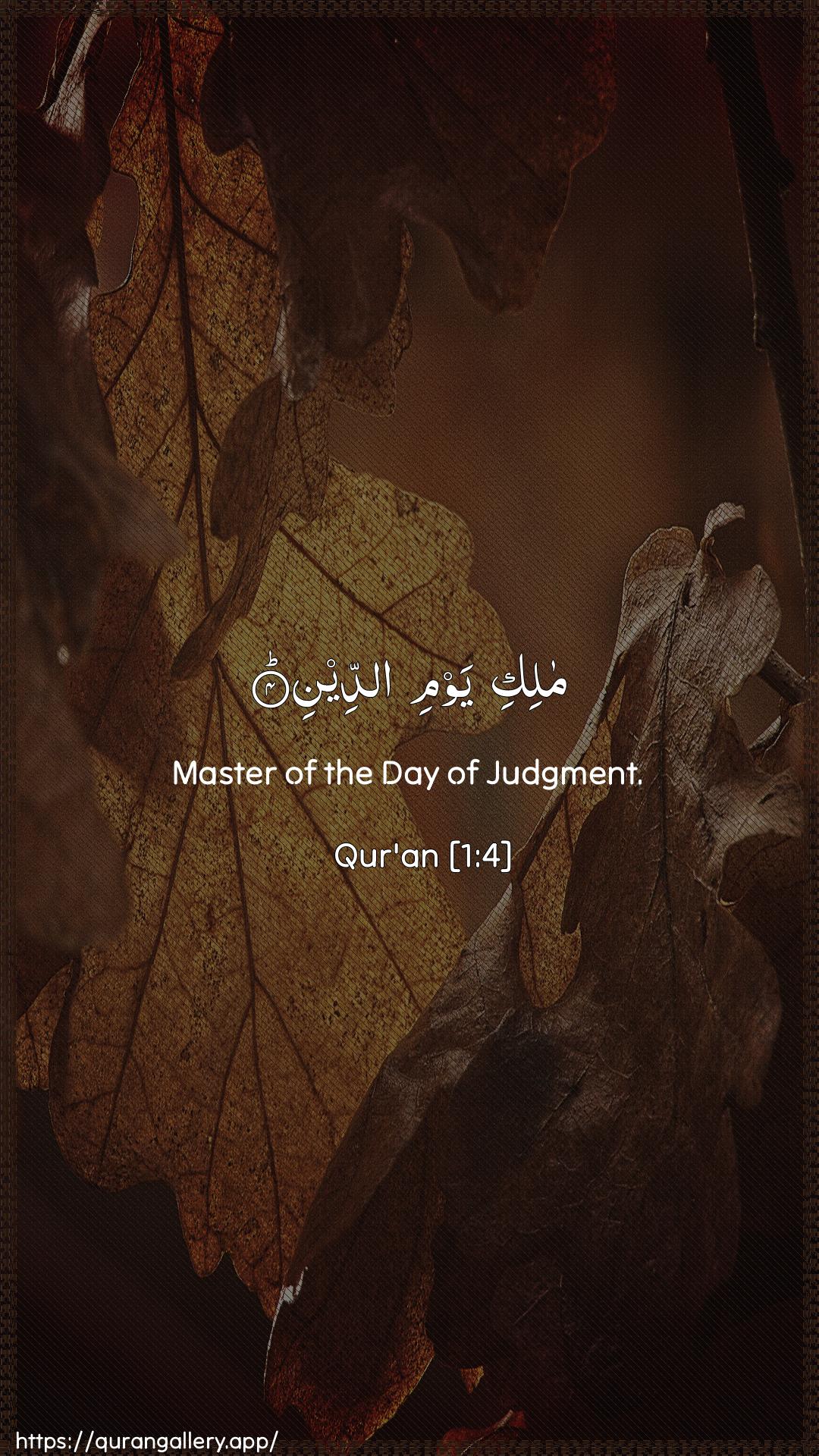
Arabic + English
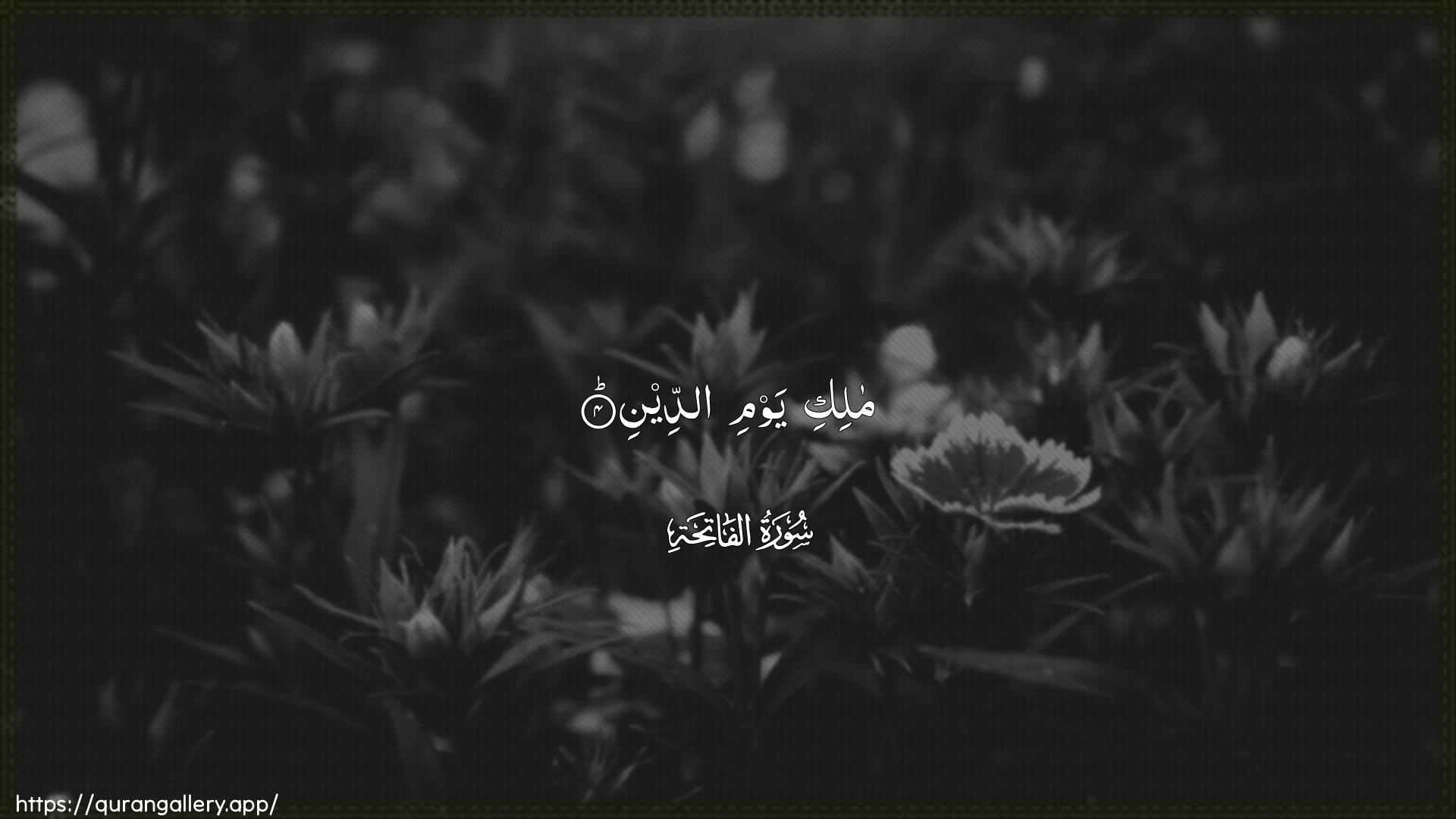
Arabic (Wide)
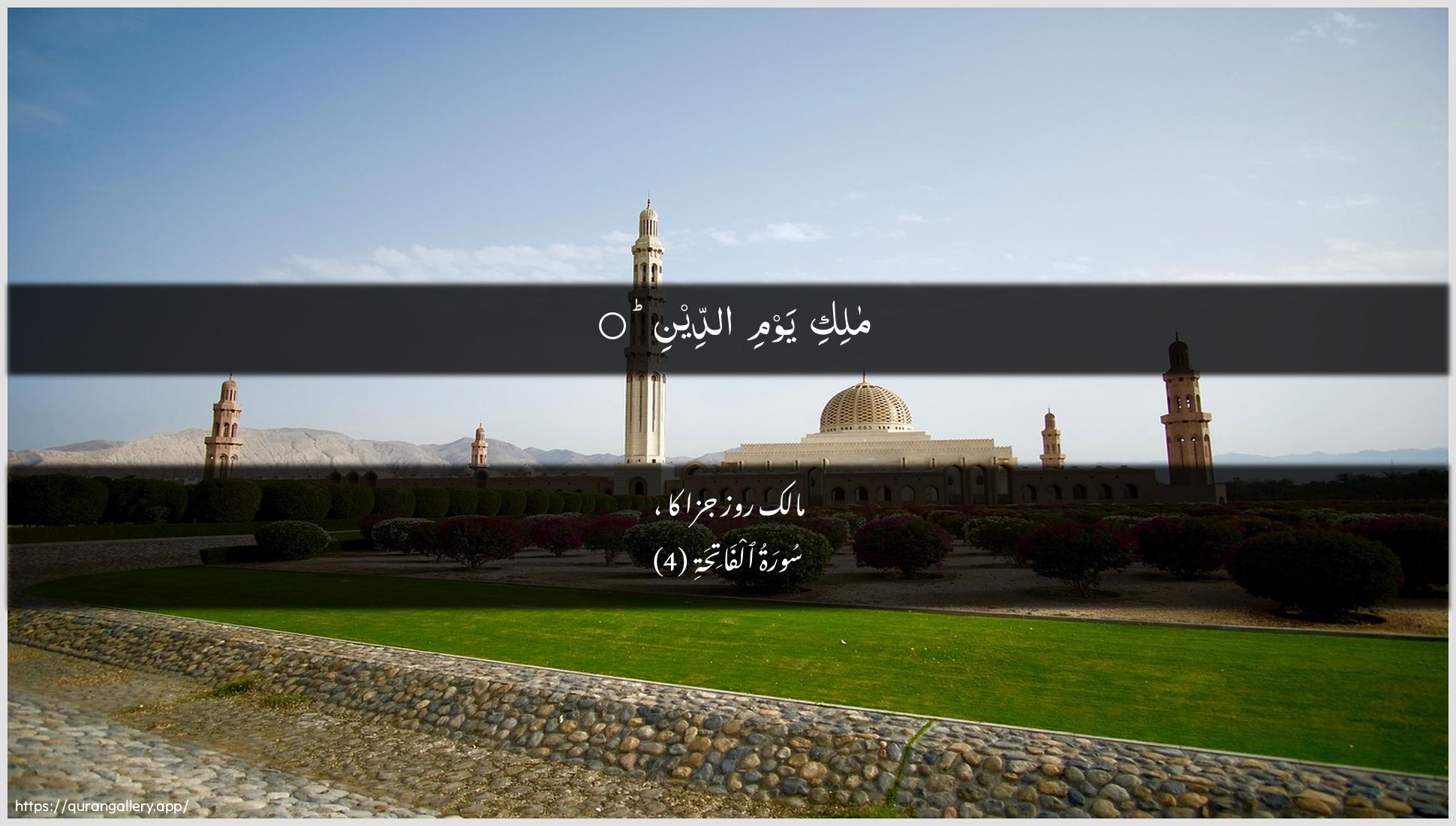
Arabic + Urdu
Free for personal & educational use with attribution
Quick Facts about this Verse
Surah
Al-Faatiha
Revealed
Makki
Position
Juz 0
Explore this Verse
Verse Meaning
According to the classical exegete Al-Tabari, the verse 'Maliki Yawm id-Din' establishes Allah's unparalleled and absolute authority over the Day of Judgment. A profound synthesis of scholarly tafsir, particularly from Al-Tabari and Ibn Kathir, reveals a dual-layered meaning in the variant readings of 'Malik' (King) and 'Mālik' (Owner). The hidden gem discovered through this synthesis is that Allah possesses both the absolute, unrivaled *sovereignty* (Mulk) and the complete, intimate *ownership* (Milk) of every affair on that Day. While worldly kings have authority but may not own their subjects, and owners have possession but lack ultimate authority, Allah's authority is absolute. As Ibn Kathir highlights, this specification for the Day of Judgment does not negate His worldly dominion but emphasizes that on this Day, all other claims to power and ownership will vanish. This verse instills a deep sense of accountability, reminding believers that every action is recorded for a day when the only authority is the Just King, the True Owner.
Questions for Reflection
Linguistic & Theological Contemplation
Al-Tabari and Al-Qurtubi extensively discuss the variant recitations of 'Malik' (King) and 'Mālik' (Owner). Reflect on how these two concepts are different in our world. Now, contemplate how Allah embodies both perfectly and simultaneously on that Day. How does His being both the absolute Sovereign and the ultimate Owner create a system of perfect, inescapable justice?
Personal Accountability Contemplation
Ibn Kathir notes that on that Day, 'no one will be able to claim ownership of anything whatsoever.' Imagine standing before the Master of that Day, where your tongue, hands, and feet testify. What aspects of your life would you feel most anxious about? What actions bring you hope? How does this visualization shift your priorities for tomorrow?
Cosmic Justice Contemplation
The specification of 'Yawm ad-Din', as scholars note, is a promise that ultimate justice will be served. Look at the world's injustices—oppression, unresolved crimes, suffering. Contemplate how this verse is a divine promise that every single act of wrong will be brought to account and every act of good will be rewarded. How does this verse transform the concept of hope from a wish into a certainty?
Practical Applications
Practice a daily 'Deen Audit' by reviewing your actions against the principle of ultimate accountability to Allah.
Use a daily journal or a quiet moment before sleep to reflect: 'If today was my presentation to the Master, what would it look like?'
In moments of injustice, consciously defer the final verdict to Allah, the ultimate 'Malik', to find inner peace and avoid bitterness.
When facing workplace injustice, legal disputes, or personal betrayals, find solace in knowing the final, perfect court is yet to convene.
Cultivate freedom from the fear of worldly authorities by internalizing that their 'mulk' (sovereignty) is temporary and Allah's is absolute.
Empowers individuals to speak truth to power, challenge unethical practices, and maintain integrity under social or professional pressure.
Hidden Gem
The deepest spiritual insight from synthesis is that this verse is not just about fear of accountability, but also about the ultimate relief of justice. For every oppressed person, it is the most hopeful verse in the Quran—a divine guarantee that their pain is witnessed and their account will be settled by the most Just King, bringing a profound sense of peace ('salam') to the believer's heart today.
Common Questions
2 more questions available in the full page